
Sodium Laureth Sulfate: A controversial ingredient in skincare
Sodium Laureth Sulfate (SLES) is a commonly used ingredient in skincare products that is known for its cleansing properties. This article looks at the properties, uses and potential effects of SLES on the skin.
What is Sodium Laureth Sulfate?
Sodium Laureth Sulfate is a surfactant used in many cleansing products such as soaps, shampoos and facial cleansers. It is known for its ability to remove dirt and oil from the skin and create a rich lather.
Properties of SLES
- Effective cleansing
- Foaming action
- Removes excess oil and dirt
The effect of SLES on the skin
The use of SLES in skin care products is a double-edged sword. On the one hand it cleans effectively, on the other hand it can cause irritation in some people.
Advantages of SLES
- Effective removal of impurities
- Improves the texture of skincare products
Possible disadvantages
- Skin irritation
- Dehydration of the skin
- Disruption of the skin's natural protective layer
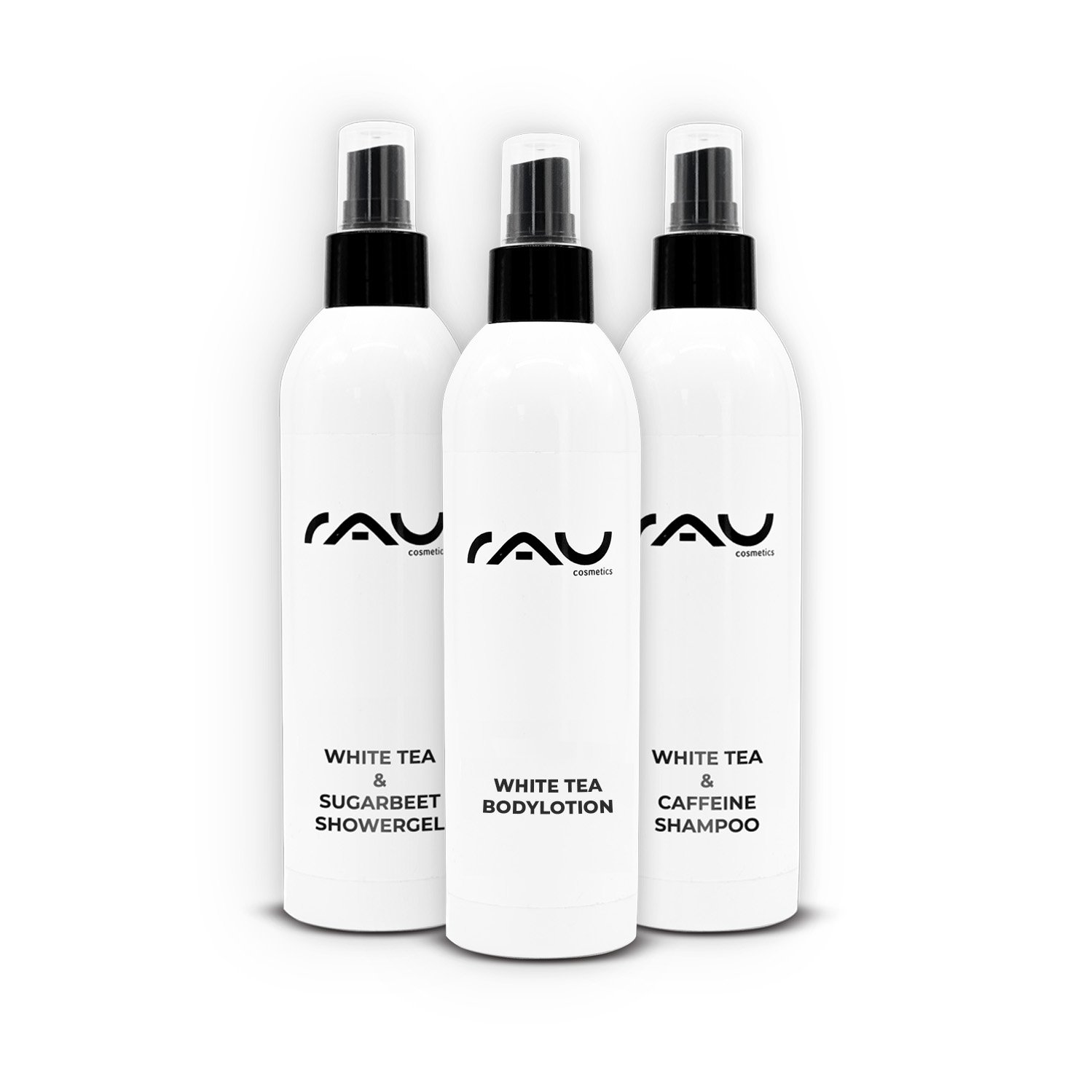
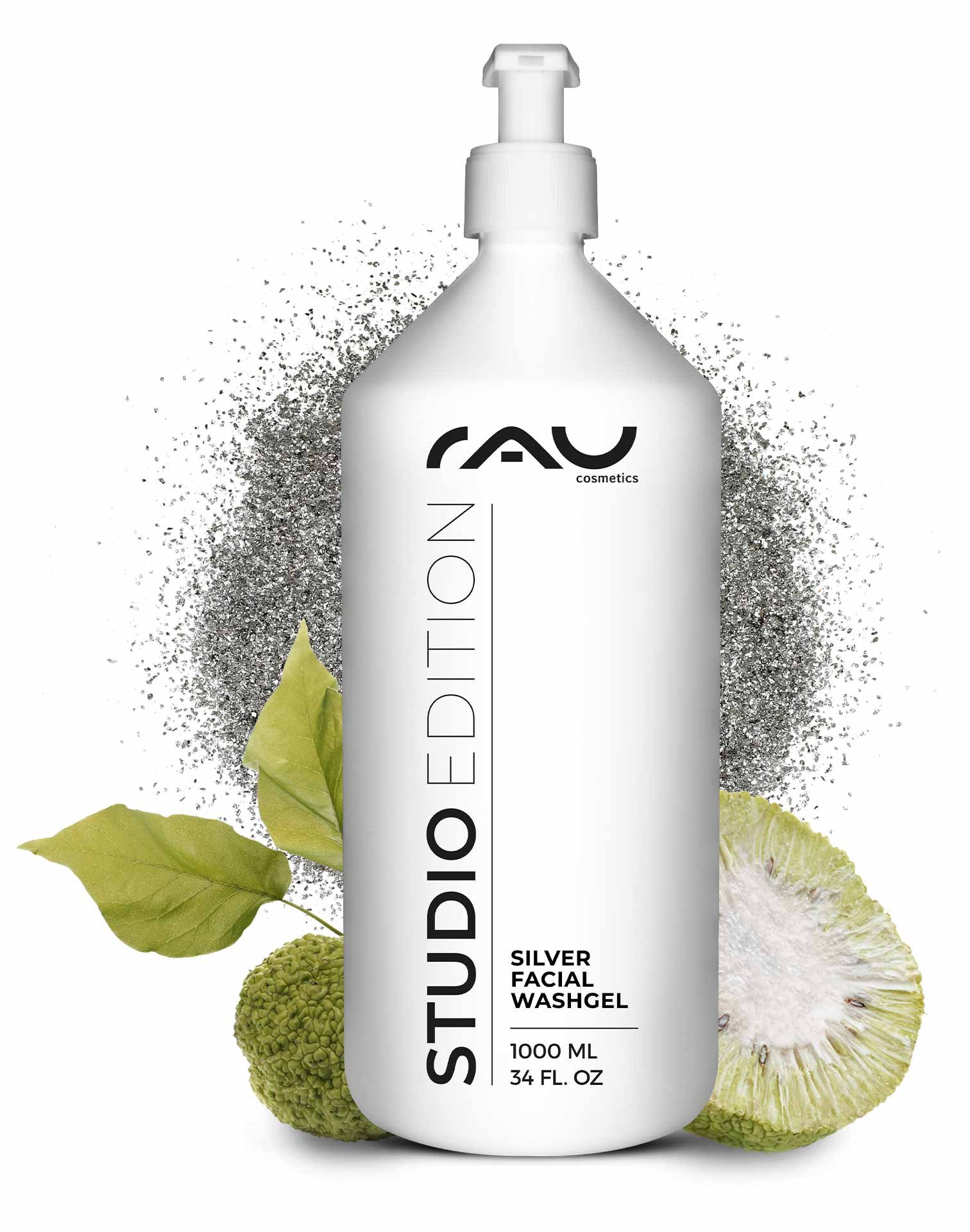
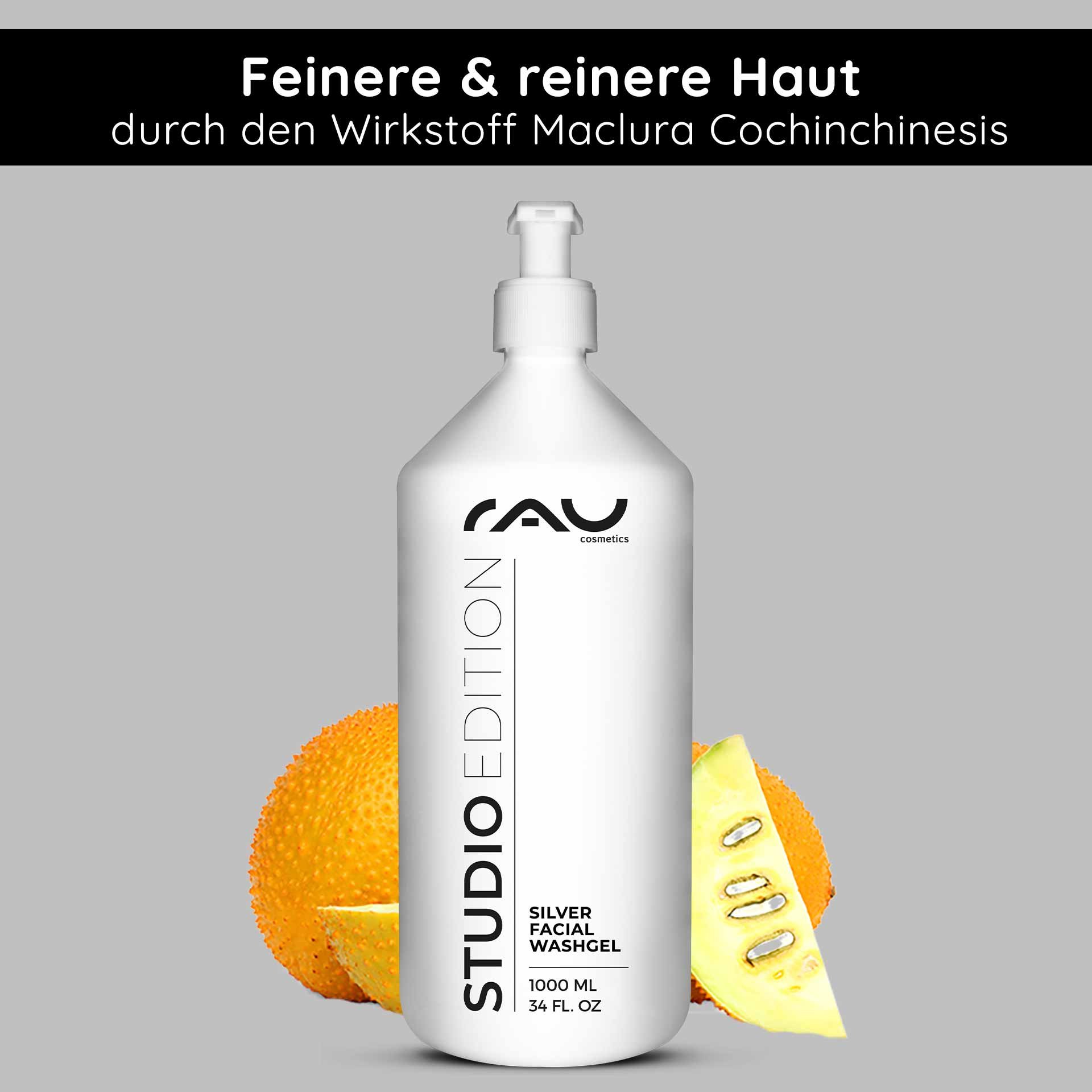
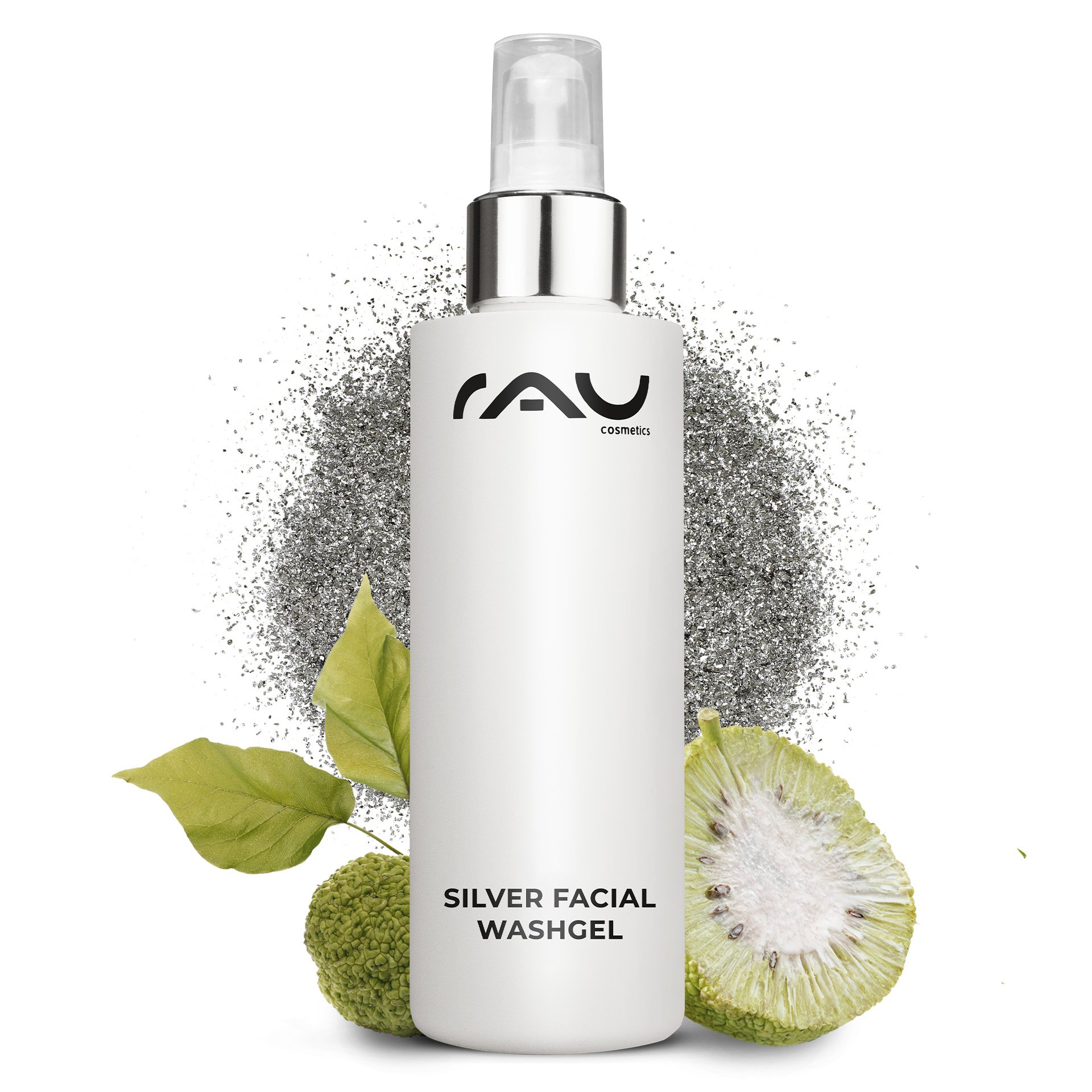
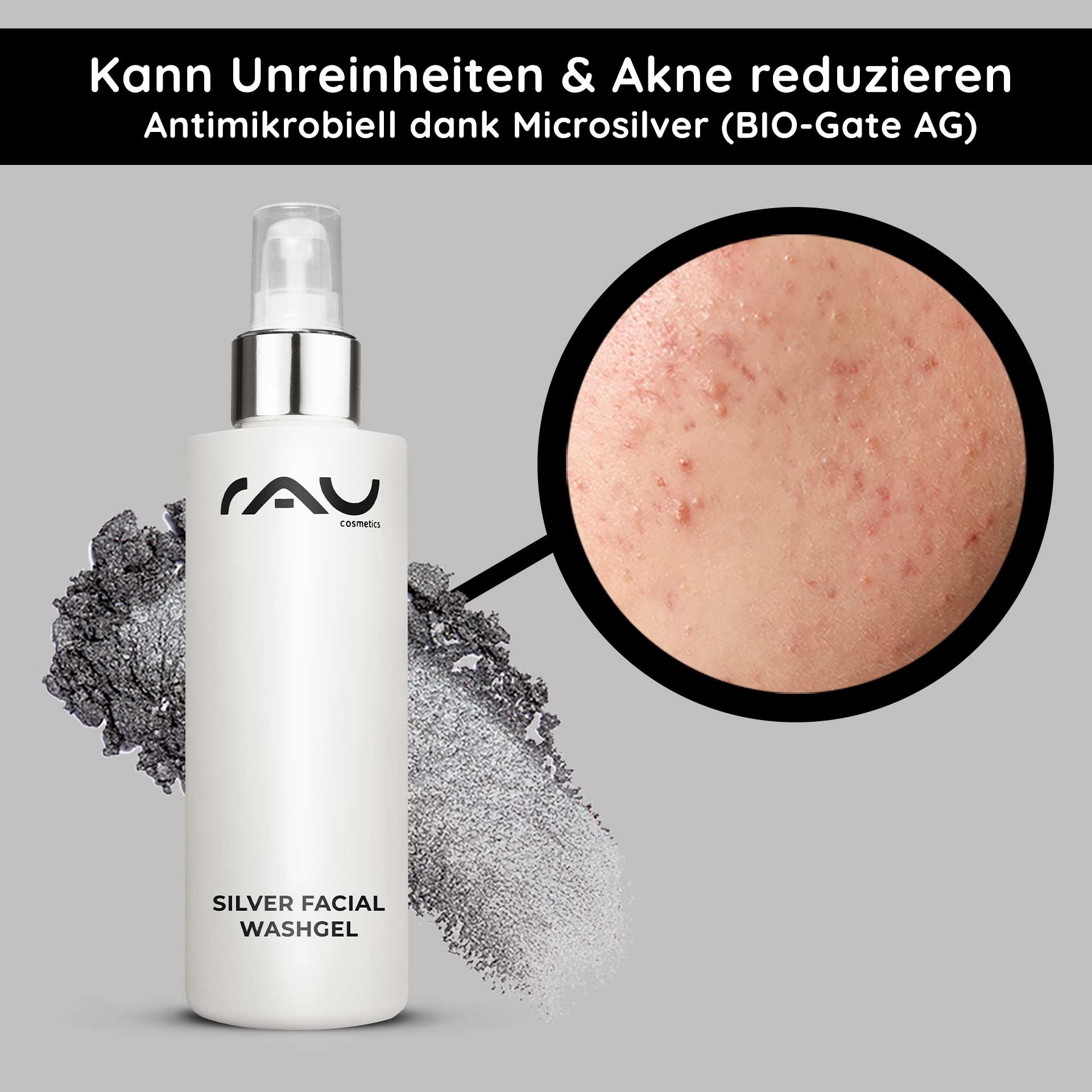
Content: 0.2 Liter (€129.35* / 1 Liter)
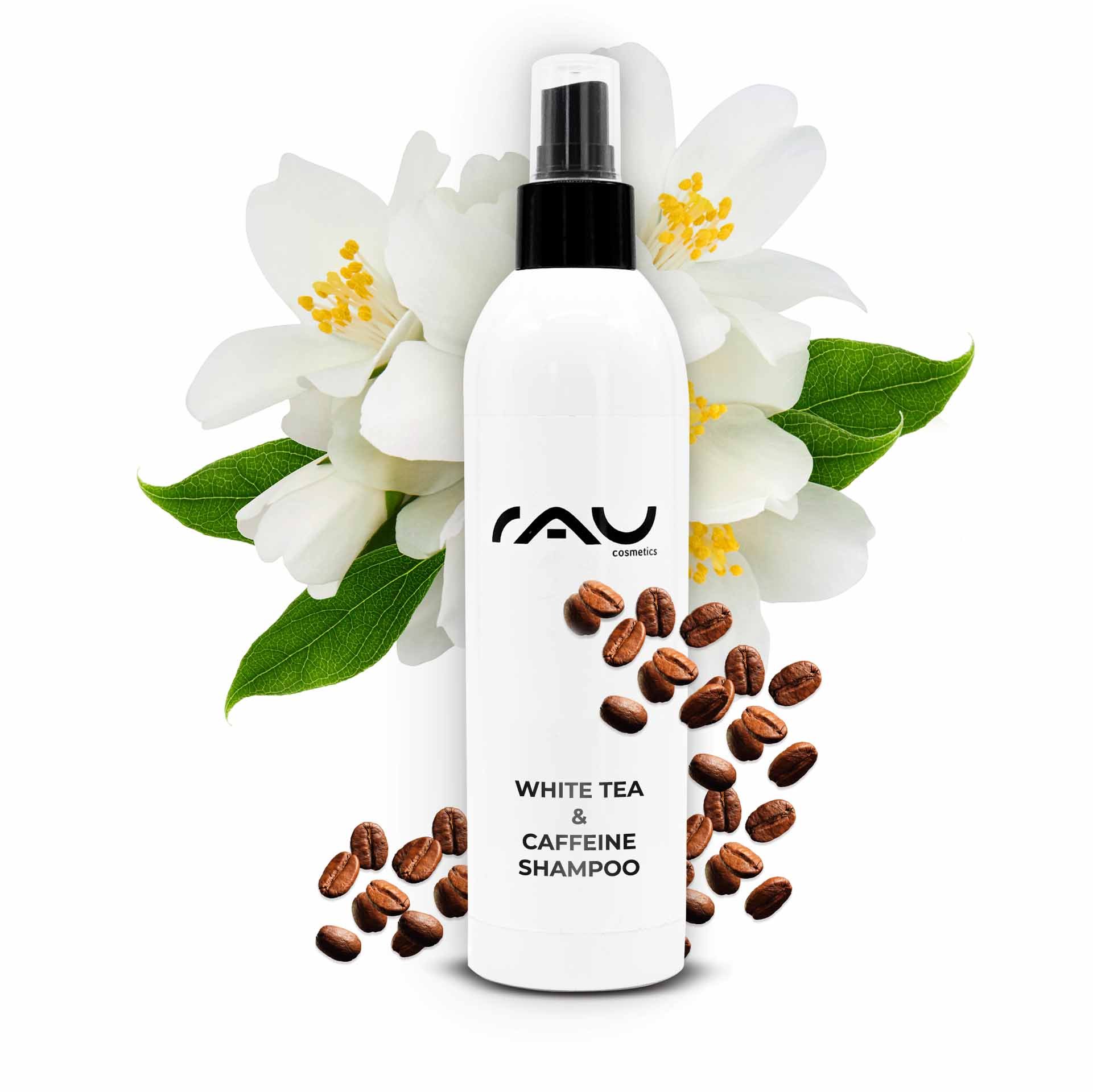
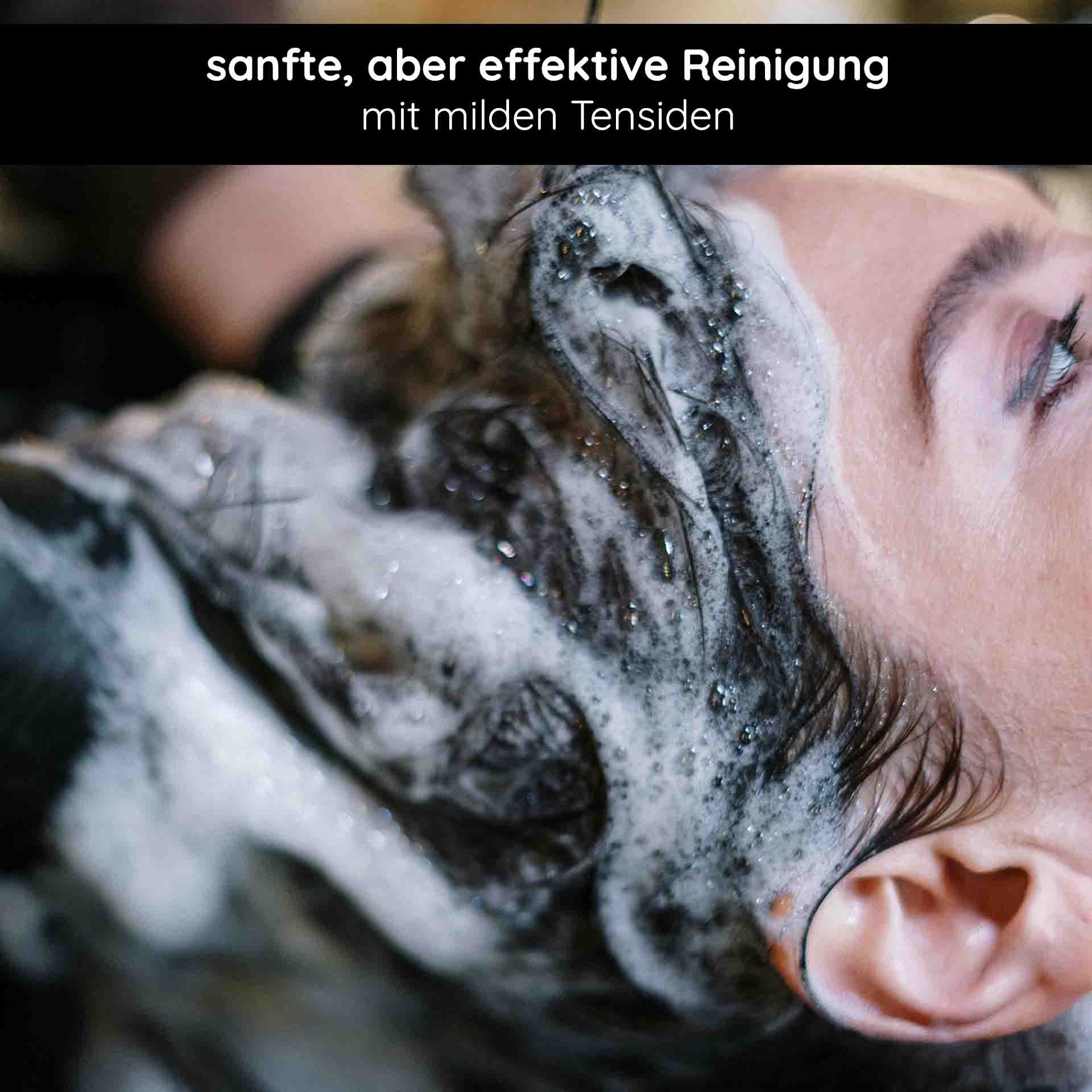
Content: 0.25 Liter (€53.96* / 1 Liter)
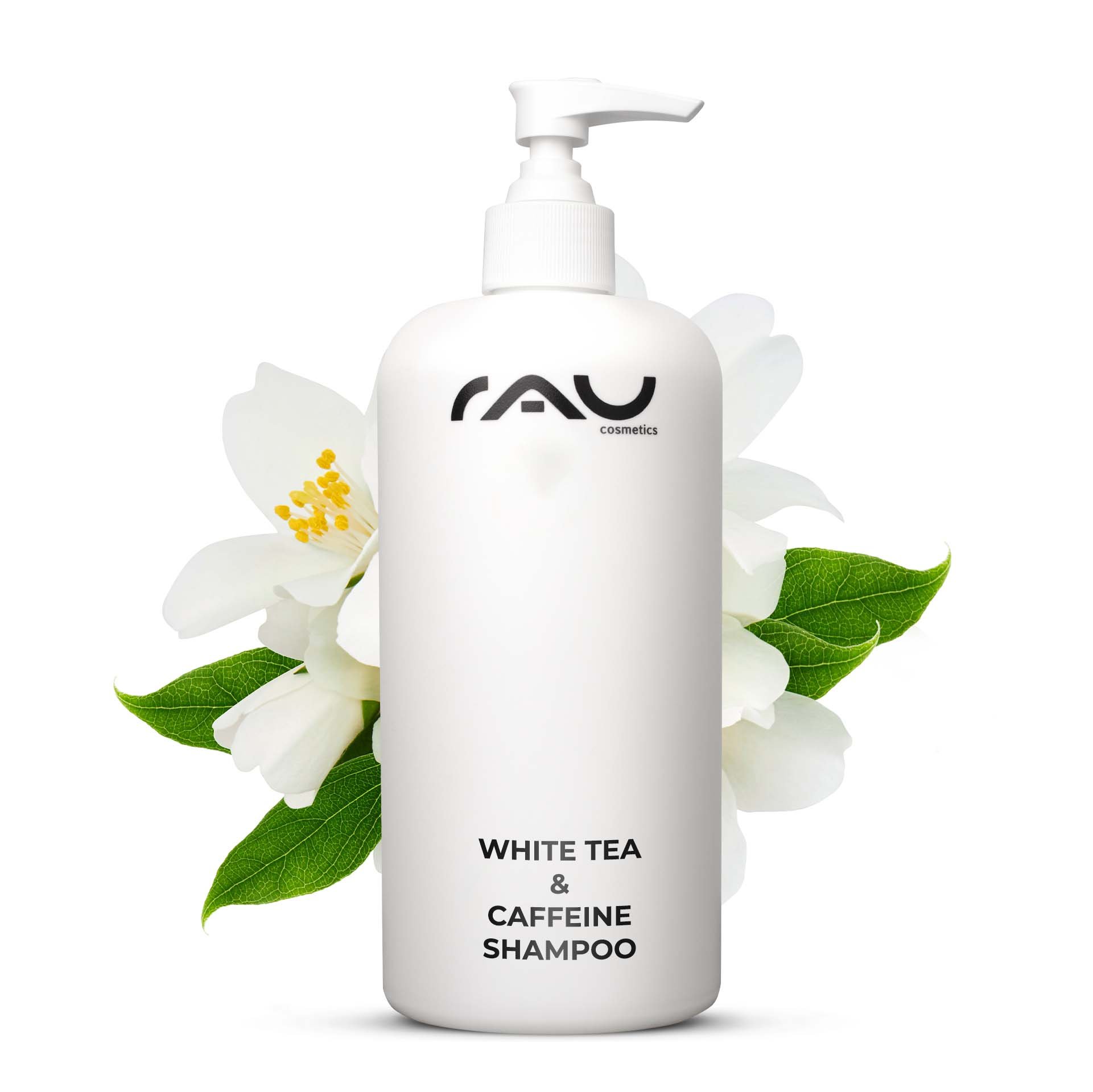
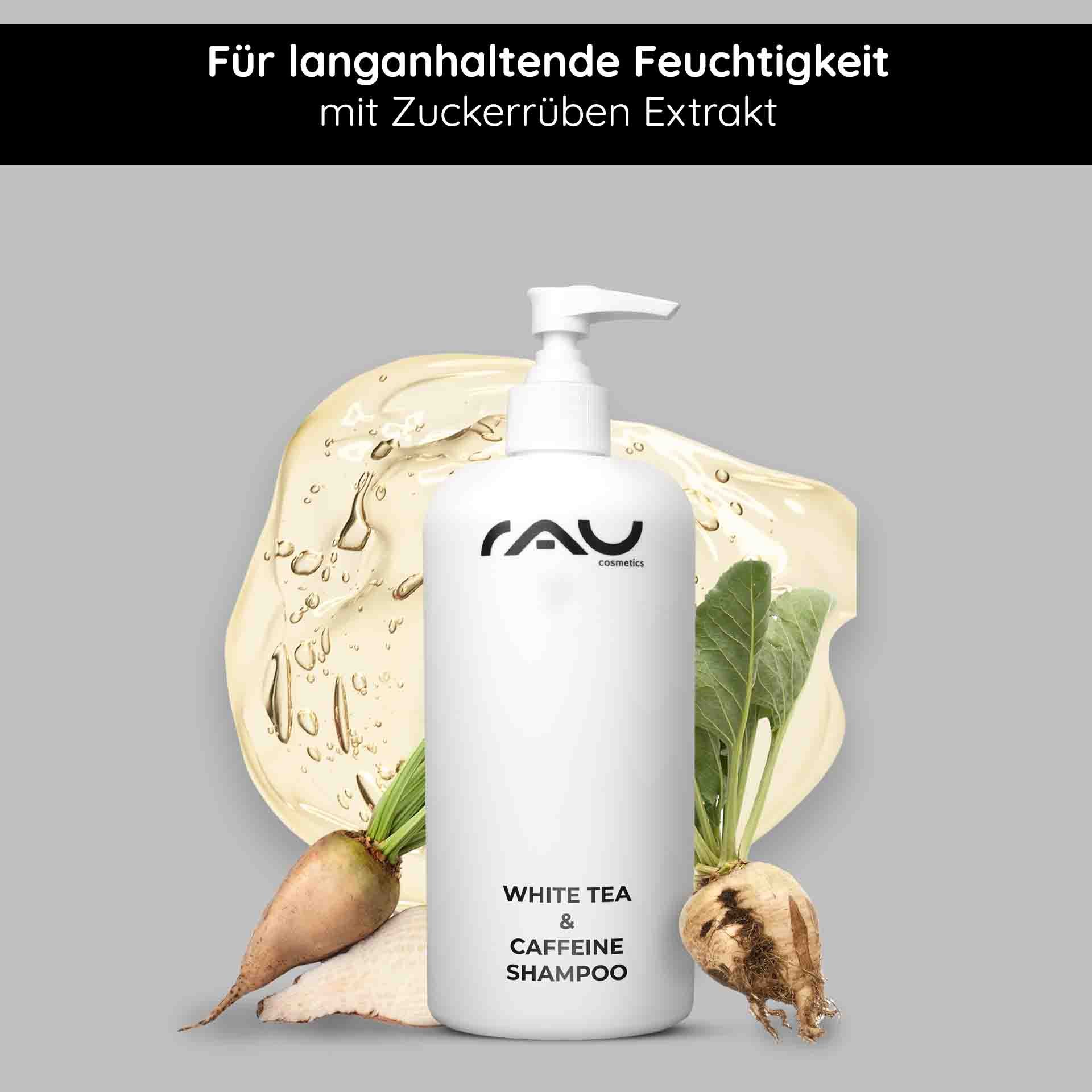
Content: 0.5 Liter (€44.58* / 1 Liter)
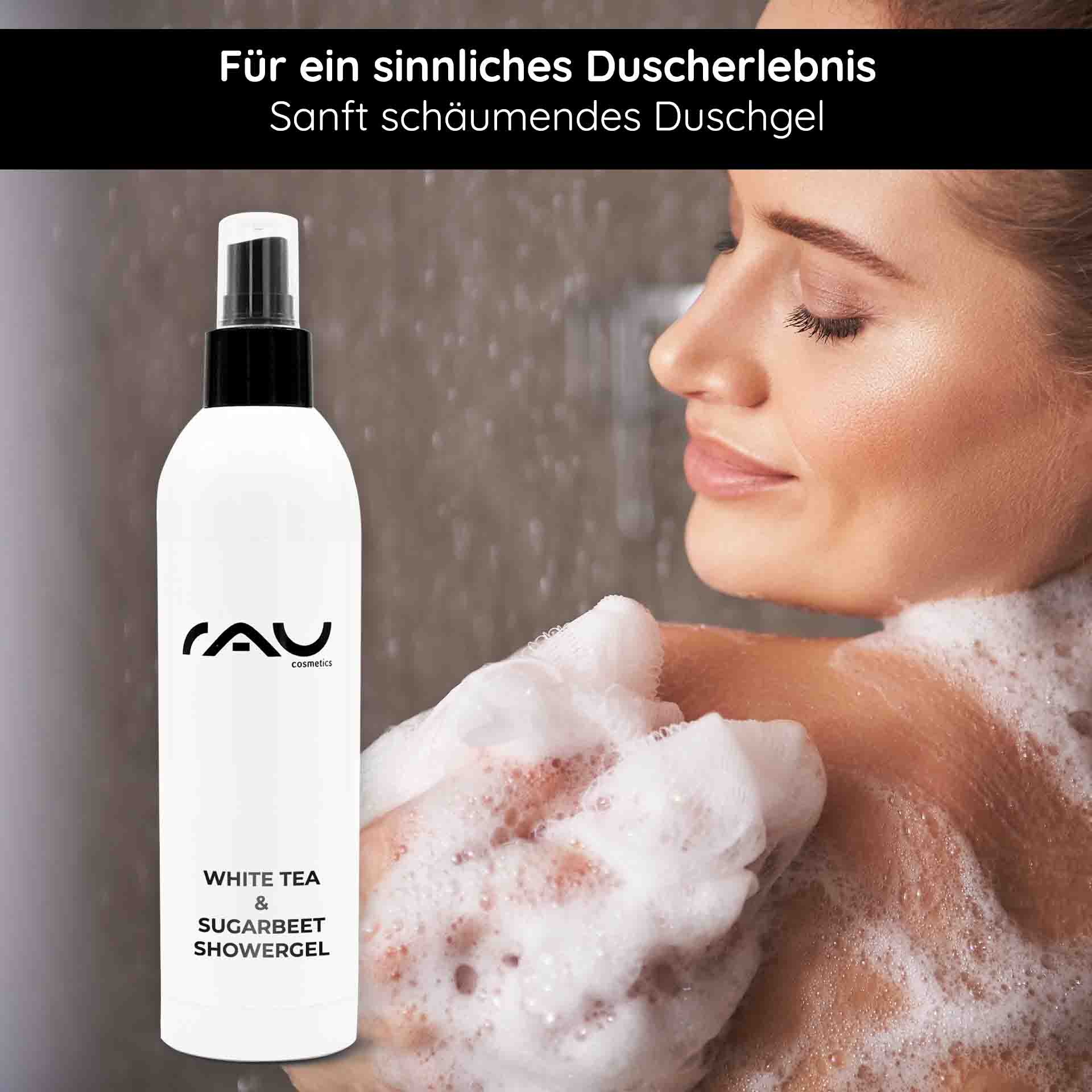
Content: 0.25 Liter (€53.96* / 1 Liter)
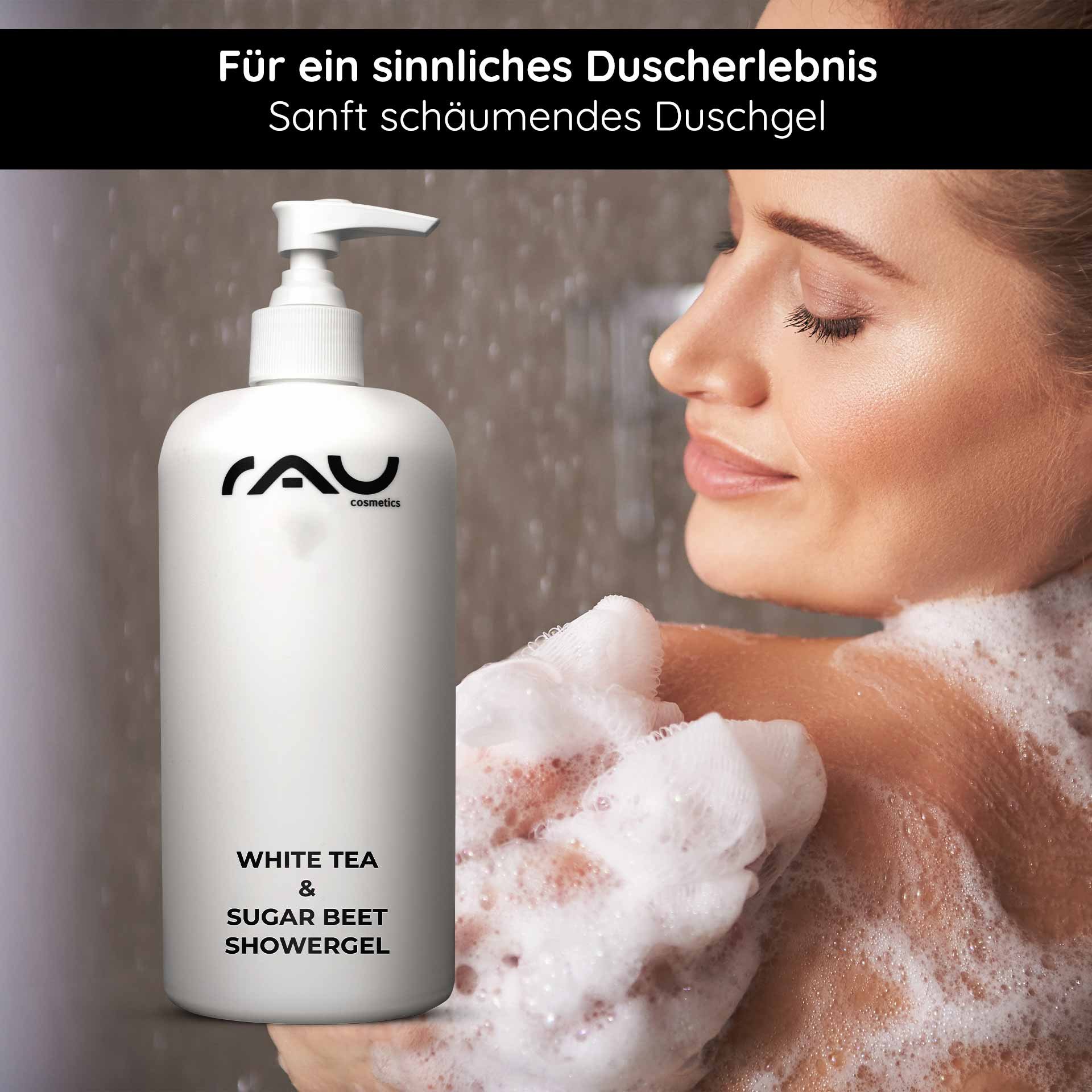
Content: 0.5 Liter (€55.74* / 1 Liter)
EMPFOHLEN FÜR RETINOL
RAU Cosmetics Retinol Serum Roll-On
Entwickelt für trockene & reife Haut — präzise Retinol-Anwendung mit Ceramid-Puffer.
4.78 / 5 · 211 Bewertungen
Zum Retinol SerumHäufige Fragen zu Retinol
Ab wann sieht man Ergebnisse mit Retinol Serum?
Erste Verbesserungen der Hauttextur nach 4 bis 6 Wochen. Anti-Aging-Effekte wie weniger Falten und mehr Festigkeit nach 12 bis 16 Wochen.
Kann ich Retinol Serum täglich anwenden?
Start mit 2x pro Woche abends — nach 4 Wochen auf 3 bis 4x steigern. Empfindliche Haut: 1x wöchentlich beginnen. Sonnenschutz am Folgetag ist Pflicht.
Retinol vs. Bakuchiol — was ist besser?
Retinol ist der klinisch am besten belegte Anti-Aging-Wirkstoff. Bakuchiol wirkt ähnlich, ist pflanzlich — ideal für Schwangere und sehr empfindliche Haut.